
Veteran Job Search
Veterans transitioning to civilian life can experience frustration. I encourage you to blend in or fit in with the culture you are applying for. It doesn’t matter if you are in a specific minority, over 40, fresh out of school, or someone making a career transition: it is critical to fit in with the culture of the company you are interested in. Different companies have different corporate cultures. We need to dress and speak in a manner that is appropriate for the culture. The military culture is vastly different from most corporate cultures. Camouflage is used to blend into the surroundings, allowing you to “fit in” and avoid standing out. Your resume, vocabulary, and physical presentation should help you achieve the same success in your veteran job search.
The veterans’ unemployment rate is higher than the national average
This is a touchy subject, so if you are a veteran or are close to someone who is, please know that this post intends to help veterans’ job searches from an HR perspective. The goal is to provide job-hunting advice for veterans (or anyone else transitioning into a new career or industry). This is not a post that aims to explain why hiring veterans is a good idea. That is obvious.
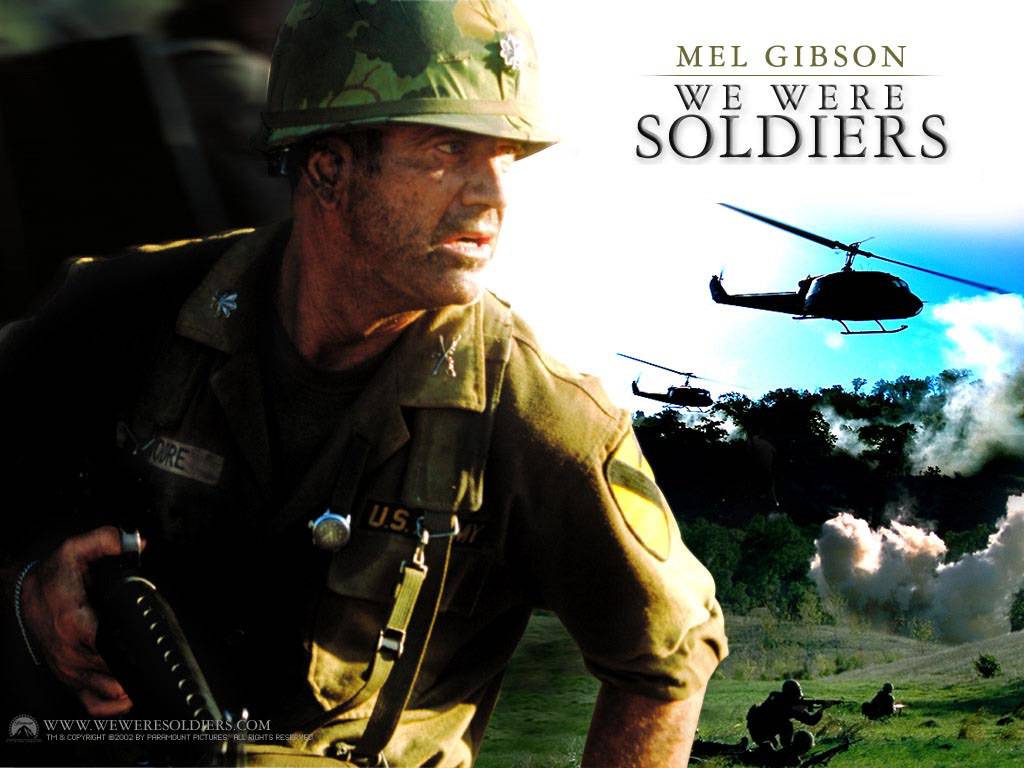
From the Movie: We Were Soldiers
Jack Geoghegan (Chris Klein): “What do you think about being a soldier and a father”?
Hal Moore (Mel Gibson): “I hope being good at the one makes me better at the other.”
We need to fit in
When I decline someone for ANY position, it isn’t because they are too old, too young, or because of the color of their skin. It isn’t because they are a veteran. One reason fully qualified candidates are declined is a concern over the culture fit. It can be the company’s culture or the hiring team’s approach. We want to make sure the team they will be working with is comfortable with the candidate. We also want to make sure the candidate is comfortable with the team. Candidates are declined because they give the impression that they won’t “fit in” with the group. I don’t look for a perfect fit, but I hope it is close.
In combat, I can be an expert marksman sniper, but if I wear black camo in a snow environment, I will stand out. In the job search, my resume is my weapon; the words on that resume are the equivalent of the ammunition I use for a specific mission. The way I visibly present myself is part of my camouflage.
Applying for a civilian or military position?
I recently had coffee with a veteran about his job search. He is a very likable guy. He has a great smile, is articulate, and is easy to get along with. Dressed appropriately for the industry and the times. On the surface, he possesses all the qualities necessary to secure a job. His problem was that his resume still sounded like it was from his military days. It would have been a great resume if he was applying for another military position, but he isn’t.
After we discussed his resume and what companies are looking for, he exclaimed,
“I get it! You’re not looking to hire a soldier; you’re looking to hire a Project Manager.”
Bingo. He hit the nail on the head. We are looking for a manager, not a soldier. Being good at one makes you good at the other, but there is a time and a place for each.
His resume listed his military accomplishments in military terminology, giving the impression that he was still in the military. My subconscious radar wondered if he could make the transition. The job description is for “corporate” skill sets, but he described his accomplishments in “military speak.” The experience in the military qualifies the candidate for a civilian career. The trick is to list the achievements so that they RELATE to the job description. How he presents his accomplishments and what he is applying for, although highly related, are two very different perspectives.
We gotta give the impression we have moved on
If I had just broken up with a girlfriend and all I did was talk about the old girlfriend, no new girl with any self-esteem would have been interested. I need to show I am not just ready to move on. I need to show I have moved on. The experience gained with my prior Girlfriend will make me a better Boyfriend. I need to do this without going on and on about the Ex.
In the veteran job search, your life experience, background, and exposure to diverse cultures help make you a stronger candidate. Companies want military experience. They don’t want to hire a military. The job descriptions are not for soldiers.
Demographic Differences
My father served in the military. Many of his friends and colleagues also served. When he was coming of age, military service was a very familiar concept within the US.
However, within my age demographic, military experience remains a relatively unfamiliar concept. Yes, we have troops in the Middle East, but I don’t know many people who have served. I know very few. Perhaps it’s because I live in the Pacific Northwest, or maybe it’s because I didn’t grow up in an era with a draft. Personal familiarity with military experience is a relatively uncommon concept among hiring managers in my region.
Just as there are a lot of stereotypes about different minority groups, there are stereotypes associated with being in the military. If you are applying for a non-military position, there are a few things that you can do to overcome these stereotypes and “fit in.”
Soften the tone
Avoid a resume with accomplishments written in military terms. Softened the wording to blend in.
Avoid using words commonplace in the military and uncommon in corporate America. These words will only reinforce concerns the reader may already have. Even if you didn’t carry a weapon, the stereotype would be that you did. A few examples are listed with alternatives.
- Tactics/strategy vs practices, methodology
- Personnel vs. teams, groups, workforce
- Branches vs. locations, offices
- Deployed vs. Implemented, rolled out
What to think about during the interview
- Addressing people as “Sir”: Sir is not a term used in Corporate America and will only reinforce your past. Address people by their first name.
- Talking about politics, gun control, etc.: Do EVERYTHING you can to avoid this topic. You would be surprised how often I hear these topics come up casually from folks with military backgrounds. I realize it is a big part of who you are, but stay off this topic. If I am asked about politics in a new group, I try to say something like “there are a lot of new developments that I am still reading up on, I don’t have all the info ”. . . . and then change the subject.
- Military haircut: A high and tight style (or anything similar) is a dead giveaway. This may be a significant part of who you are, but I’m trying to figure out who you will become. For women, avoid the “hair pulled up in a bun” look. Wear your hair down.
- If you wear the same glasses you wore in the military, update the style. The face and eyes are the first things most people see. Modernly styled frames can set a different tone. Aviator-style prescription frames are a dead giveaway, unless you’re applying to be a pilot.
- Mustache is the only facial hair. Mustaches ARE making a comeback, but this is a niche segment, and not everyone can pull it off. I realize this is a tough one to swallow, but if you are looking for a job, military or not, shave. Exceptions include firefighters, police officers, cowboys, and major league pitchers. Even for these positions, the absence of a mustache doesn’t lessen your chances. No one is going to say, “We can’t hire this guy, he doesn’t have a mustache”.
- Big military watch. Oversized face, glow-in-the-dark numbers, etc. I realize these are big fashion statements, and I prefer dive watches. Unless it is a Rolex Submariner, I would leave the watch at home. Most cell phones tell time these days.
- When you answer, elaborate on your answers. This is not a time for “Yes” and “No” answers. This is not the time for “Yes sir” or “No sir” answers. We would like to hear about your experience, including specific examples.
Practicing what I preach
I practice the same approach as above regarding my minority status. I was born and raised in America, but I have an Asian-sounding name. When I look for a job or am introduced to a new group, I list my American nickname on my resume so that any shortsighted hiring manager would not conclude that English is a second language. I am trying to blend in. I don’t want them to assume they will struggle to understand my English. My first name may be Zatoichi, but I go by “Harry.” Trust me, it happens.
P.S. No wheeziness here, and I don’t feel like this is selling my soul. I got in the door with “Harry,” but my coworkers gave me the nickname’ HR Nasty.”
See you at the after party,
HRNasty
nasty: an unreal maneuver of incredible technique, something that is ridiculously good, tricky, and manipulative but with a result that can’t help but be admired, a phrase used to describe someone good at something. “He has a nasty forkball”.
If you feel this post is valuable, please subscribe here. I promise no spam,
and “like” us on Facebook. I read all the comments below.


Leave a Reply